

Mexico: Tejao
Tejao
-
Rich cream and ripe apricot define this beautifully textured coffee, with a flash of orange brightness keeping things lively through to the finish.
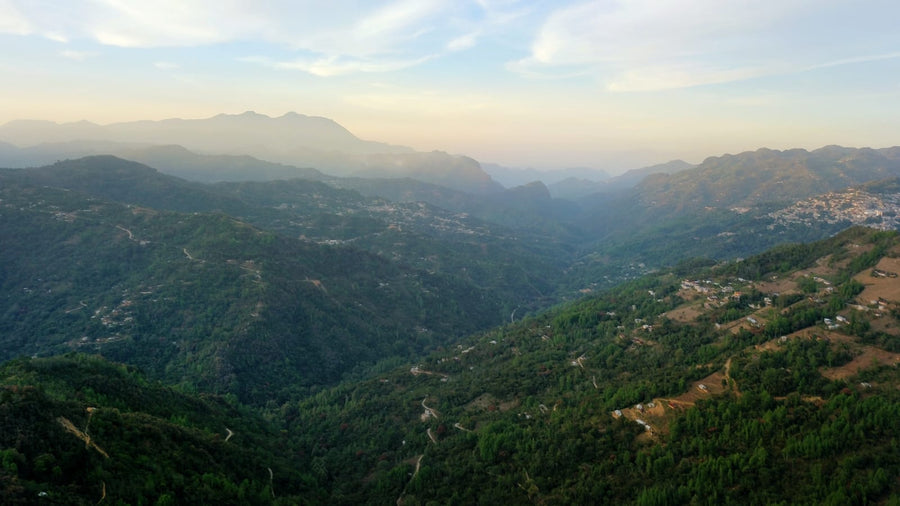
The Sierra de Flores Magón region is one of eight making up the State of Oaxaca, Mexico. Its rugged terrain and considerable settlement of diverse cultural groups make it a vibrant region of contrasts, boasting several varied microclimates resulting in lush flora and fauna. This small area is crossed by the Santo Domingo and El Grande rivers, creating deep canyons amidst towering mountain peaks such as the Cerro Cheve, 2,700 meters above sea level. The low-lying canyons are semi-arid, home to a rich variety of cacti, while on the opposite side, the humid high elevations are populated by pine forests. Previously known as "Cañada" (if you’ve been around for a while, this is the name you’ll have known this coffee under when we’ve bought it in previous harvests!), in November 2022 the Congress of the State of Oaxaca decided to rename it "Sierra de Flores Magón" in honor of the anarchist journalist Ricardo Flores Magón, a native of the region.
The majestic Mazateca mountain range, reaching up to 2000 masl, runs through the north of the region. It’s named for the indigenous Mazateco people and Tejao translates to “eagle’s nest” in their native language. This is the original name for the town of Huatla de Jimenez, famous for its coffee, where this lot was grown. The Mazateco people’s ancestral production techniques are free of chemicals and the coffee in this region is grown in agroforestry amongst other crops and native trees.
Traditionally, despite coffee being the main agricultural product of the region, coffee yields have been low and crops have often been sold to the commodity market, however recent investment in the area from projects like Ensambles (our importing partners) sees an increased focus on specialty coffee. Ensambles have set up a regional operation in la Mazateca to be able to buy parchment directly from nearby smallholders, while providing direct feedback and technical assistance to local farmers in the field.
Coffee produced in this region is traditionally fully washed and mainly organic, although not certified as such, and the majority of farms feature shade-grown coffee. There is a culture of minimal intervention in this area too, meaning producers tend to refrain from pruning the Typica plants, often resulting in 2-3 metre high coffee trees, as old as 40 years in some cases! Typica is a varietal that often suffers from Coffee Leaf Rust, however, due to the altitude of this region, the coffee crops have not suffered from this.
The lower temperatures (particularly overnight) and high level of humidity in the atmosphere in this region makes drying coffee a tricky endeavour. This means that many producers often have to move coffee from outdoor drying patios inside overnight. As a result of this, coffee is often dried to a lower humidity than is usually seen in the surrounding areas: around 11% humidity, compared with the typical 12-13% to ensure longevity.
However, these lower temperatures aren't all bad and, when managed effectively, can lead to great things. The colder climate and later harvest than other coffee-growing parts of Mexico means the coffee cherries have a longer, slower maturation period, often resulting in a sweeter, complex cup. We think this coffee showcases this beautifully!
-
- Country: Mexico
- Region: La Cañada
- State: Oaxaca
- Town: Tejao
- Producers: Ensambles
- Processing method: Washed
- Altitude: 1,500-1,900 m.a.s.l.
- Varietal: Typica & Bourbon
-
Medium
This Typica and Bourbon blend from the high mountains of Oaxaca really sings at a medium roast, where we can showcase its beautiful creamy texture alongside those ripe apricot and orange notes. The cold climate and slow maturation of these cherries has built in plenty of natural sweetness and complexity, so we want to highlight that rather than overlay it with roast development.
Roasting Notes
We take this through first crack and allow it to develop in the gap, but it's crucial not to let second crack get going. This coffee's charm is in its creamy mouthfeel and bright fruit character - push it too far and you'll shift the profile toward chocolate, losing that delicate balance of richness and brightness that makes this coffee so distinctive.
The traditional Mazateco growing methods, with minimal intervention and old Typica trees reaching 2-3 metres tall, produce incredibly dense beans with concentrated sugars. Combined with the lower drying humidity (around 11% compared to the typical 12-13%), these beans can handle development well but respond best when kept in that medium range. The longer maturation period from the cooler mountain temperatures means the inherent sweetness is already there – our job in the roaster is simply to bring it forward without overdoing it.
For Home Roasters
Develop this steadily after first crack for about 60-90 seconds, listening carefully to make sure second crack doesn't begin. You're aiming for that sweet spot where the coffee smells rich and creamy with ripe stone fruit notes. If you start getting toasty or nutty aromas, you've gone a touch too dark. The beauty of this coffee is in that cream and apricot balance, so trust the process and drop it before second begins.
-
Tasting notes: Apricot, cream, orange.
Cup of Excellence Cupping Scores
- Clean Cup: (1-8): 6
- Sweetness: (1-8): 6.5
- Acidity: (1-8): 6.5
- Mouthfeel: (1-8): 7.5
- Flavour: (1-8): 7
- Aftertaste: (1-8): 6
- Balance: (1-8): 6.5
- Overall: (1-8): 6.5
- Correction: (+36): +36
- Total (Max 100): 88.5
-
-
Producer Stories
Learn more about coffee sourcingTejao
The colder climate and later harvest in Oaxaca than other coffee-growing parts of Mexico means the coffee cherries have a longer, slower maturation period, often resulting in a sweeter, more complex cup.
Read more