The Story of the Rodríguez Family: Pioneers of Bolivian Specialty Coffee
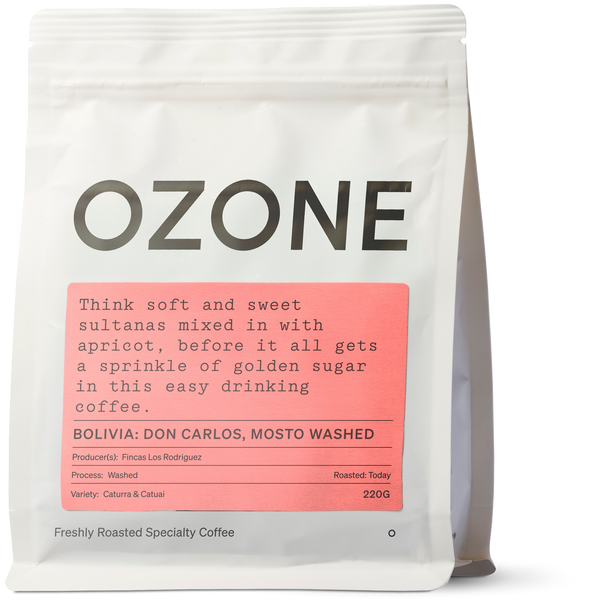
Bolivia produces some of the most captivating specialty coffees we've ever tasted. Superbly sweet, transparent, and refined – the kind of coffees you can drink cup after cup and keep coming back for more. And much of that is down to one family who, against considerable odds, decided Bolivian coffee was worth fighting for.
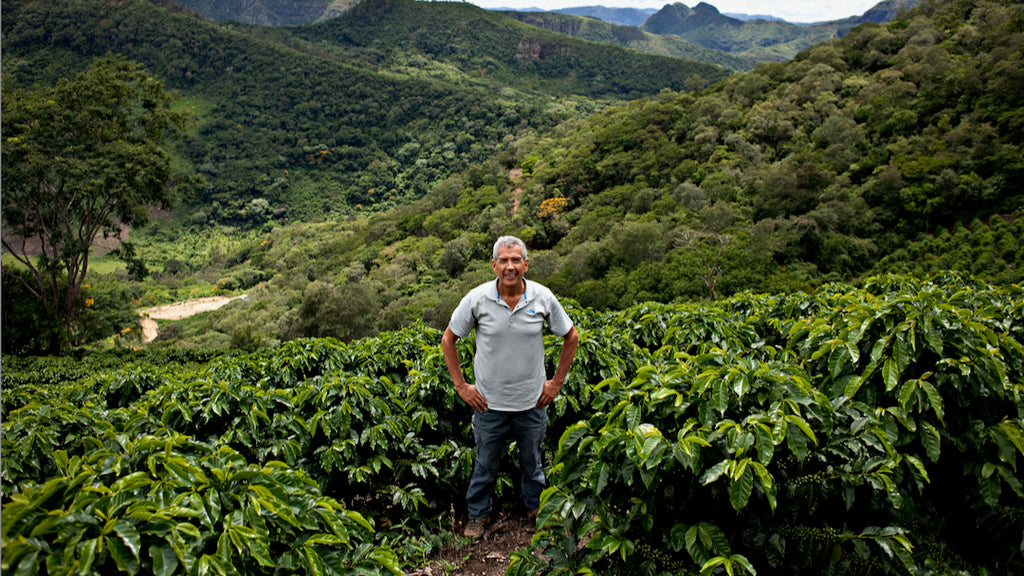
Pedro Rodríguez, along with his daughter Daniela and son Pedro Pablo, are the driving force behind Agricafe and Fincas Los Rodríguez. Theirs is a story of innovation, resilience, and a deep commitment to revitalising Bolivia's coffee industry – one that was, not so long ago, on the verge of disappearing entirely.
From Banker to Coffee Pioneer
In 1986, Pedro made a decision that would reshape Bolivian coffee. He left behind a career in banking to pursue his passion for agriculture. Recognising Bolivia's exceptional potential for coffee growing – high altitudes in the Andes, nutrient-rich soils, favourable microclimates – he founded Agricafe as a small commercial exporting business. For decades, the family worked as coffee exporters, sourcing from smallholder farmers across the Yungas region and processing their coffee at the Buena Vista wet mill in Caranavi.
From the very beginning, the Rodríguez family did things differently. They built transparent relationships with producers, sharing best practices and passing on premiums whenever a lot stood out on the cupping table. This gave farmers the motivation to invest in quality, and it strengthened their trust in Pedro and his family. As Pedro humbly puts it: "It is our greatest satisfaction to be part of, and contribute to, the development of the coffee-growing culture in Bolivia."
When Coffee Almost Disappeared
Here's the thing about producing coffee in Bolivia – it's incredibly difficult. The country is landlocked, the growing regions are remote and mountainous, and infrastructure development has always been a challenge. Political and economic instability has discouraged investment for decades. And then there's the competition: coca, a plant native to the Andean altiplano, is easier to pick, harvests year-round, and often yields higher profits. Unlike coffee-producing neighbours like Colombia, Bolivia lacks a strong centralised body to support and promote the industry.
By the early 2010s, these factors – coupled with changing climate conditions and the devastating arrival of leaf rust (roya) – had pushed Bolivian coffee production into freefall. Annual exports dropped from around 70,000 bags in 2010 to just 22,000 bags by 2019. Many smallholder farmers abandoned coffee altogether. The Rodríguez family watched the industry they loved shrinking before their eyes.
In 2012, they made a bold decision: if coffee production was going to survive in Bolivia, they would need to start farming themselves.
Finca La Linda: Where the Dream Started
The family acquired land near their Buena Vista mill in Caranavi and established their first farm, Finca La Linda. "This is where the dream started," Pedro says. Rather than following traditional farming practices common in the region, they took an extremely methodical, innovative and scientific approach. They consulted leading specialty coffee agronomists from around the world, trialled different varieties and techniques, and carefully documented everything they learned. They also brought in an oenologist from the Argentinian wine industry to guide their approach to fermentation at the wet mill – a relationship that shaped everything that followed.
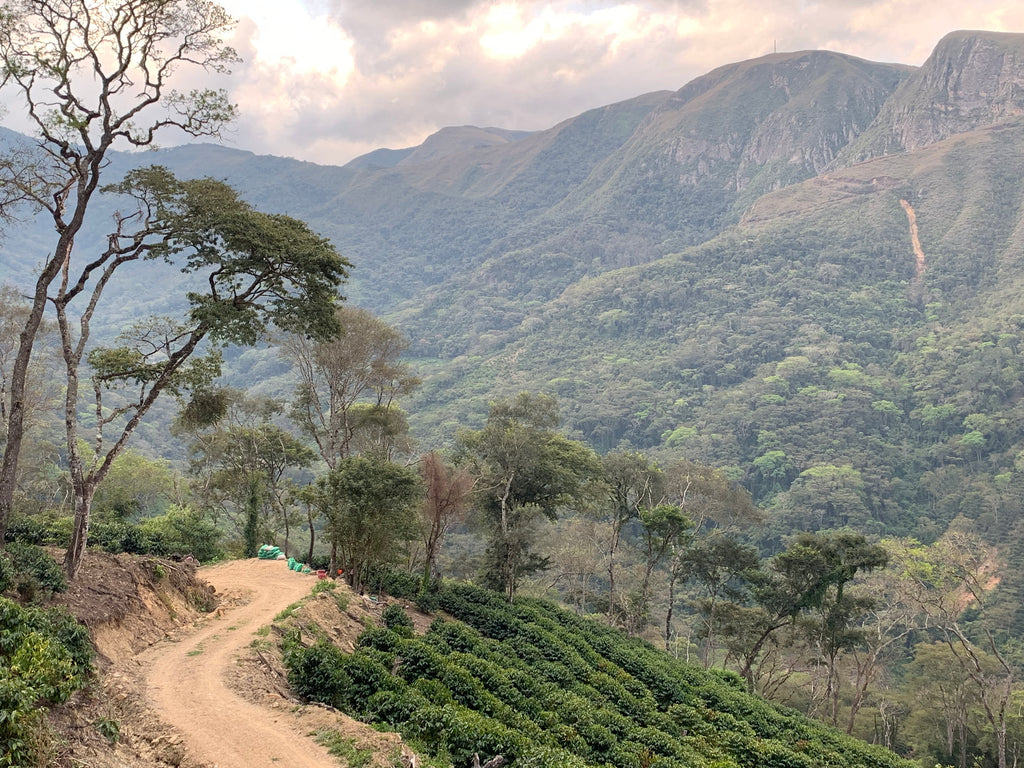
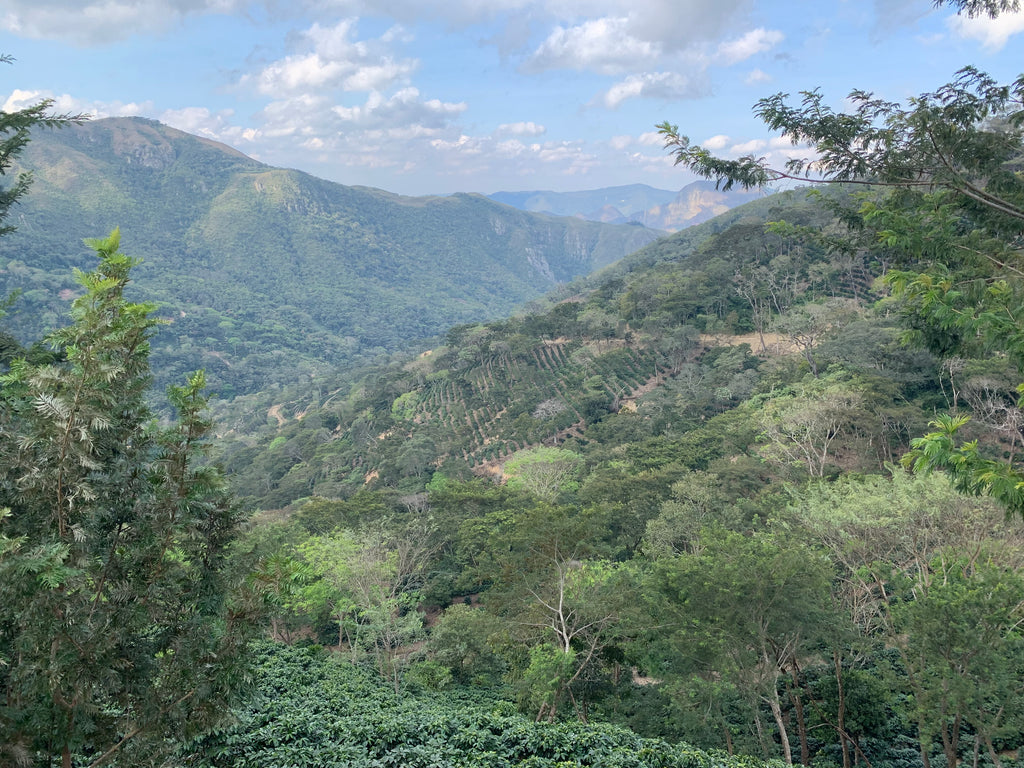
The results were extraordinary. Their farms became some of the most organised and beautiful in the country – coffee planted in neat rows, meticulously separated by variety, vibrant and healthy and producing exceptional quality and yields. The family also made a commitment to conservation from the outset, aiming to keep 60% of their land as nature reserves with coffee planted as agroforest amongst the trees. La Linda became the foundation for everything that followed: the practices they developed there now guide all their farms and inform their producer training programmes.
Expanding to Samaipata: A Risky Bet That Paid Off
Today, Fincas Los Rodríguez encompasses 12 farms and around 130 hectares of coffee. Eight are in Caranavi, the traditional coffee-growing heartland in the department of La Paz. The remaining four are in Samaipata, in the eastern department of Santa Cruz – and this expansion represents one of the family's boldest moves.
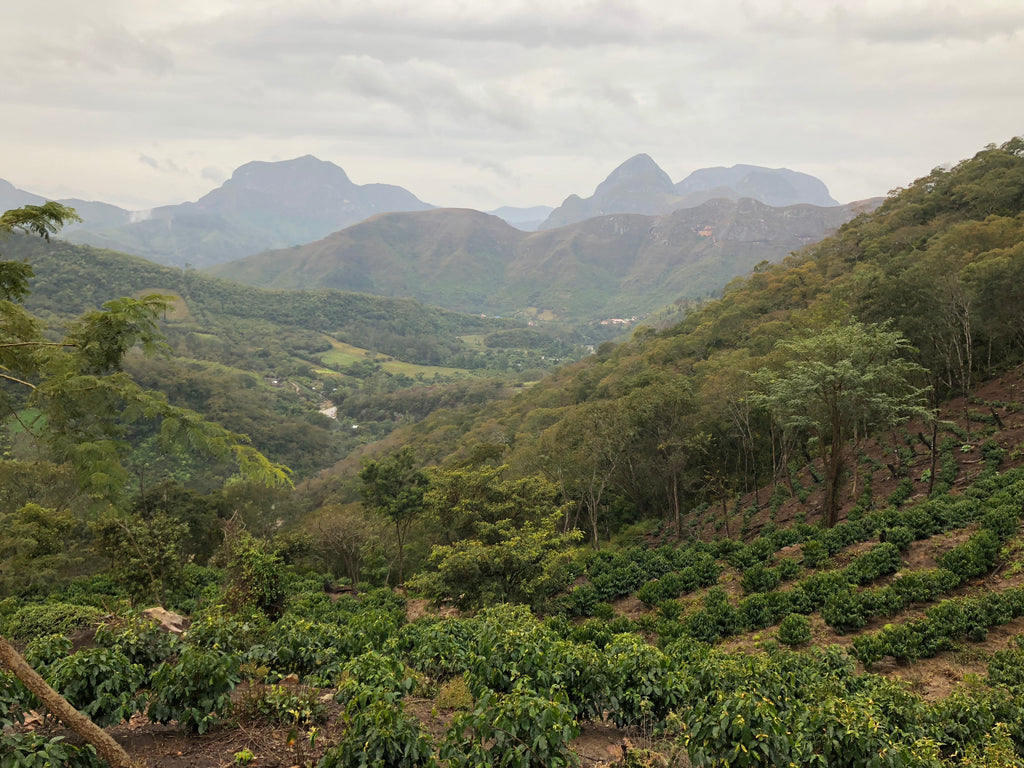
Samaipata – whose name, fittingly, means "Rest of the Heights" – had never been known for coffee. Historically, the region produced food crops like fruit and vegetables, and is perhaps better known for its wine production and the ancient ruins of El Fuerte de Samaipata, a UNESCO World Heritage site. But Pedro recognised that the region had all the right conditions: high elevations between 1,500 and 1,850 metres, nutrient-rich soil, and a climate similar to Caranavi's – just a little less tropical and somewhat drier.
The first farm they planted there was Finca El Fuerte, named after the nearby archaeological site. The Pre-Columbian fort represents the legacies of Inca, Spanish and Chanè cultures, and the farm now represents something equally remarkable: proof that exceptional specialty coffee could thrive in uncharted territory. The surrounding Amboro National Park, with its plentiful forests, waterfalls and exotic birds, protects the farm from strong winds while waterways in the valley regulate temperatures and keep frost at bay.
After El Fuerte's success, the family continued investing in the region, planting farms including Floripondio, which sits at a staggering 1,710 metres above sea level. Daily temperatures there swing wildly from 5°C to 30°C – conditions that slow cherry maturation dramatically, concentrating sugars in the fruit and producing incredibly sweet, complex coffees. Floripondio gets its name from the Angel's Trumpet flowers native to the area. According to local legend, if you lie beneath a Floripondio tree, you'll start dreaming. Given the breathtaking natural scenery, it's easy to believe.
Because of its unique conditions, Floripondio now hosts the family's variety nursery, where they've planted over 50 varieties to determine which are best suited to the land. Across all their farms, they grow an impressive range: Caturra, Catuai, Java, Geisha, Pacamara, SL28, SL34, Batian, and various Bourbon types including red, yellow, and orange.
Sol de la Mañana: Saving Bolivian Coffee, One Farm at a Time
The Rodríguez family could have stopped at building successful farms. Instead, they created something arguably more important: Sol de la Mañana, Bolivia's first producer mentoring programme.
The programme began in 2014, when 15 neighbouring producers approached Pedro Pablo asking for help. "We realised that we had a certain responsibility in not only managing our own farms, but also helping the producers that had been delivering coffee to us for many years," he explains. "As a family, we saw the responsibility to work against this trend and save Bolivian coffee culture, because if we did not take it, Bolivian coffee would have slowly disappeared."
Sol de la Mañana – 'Morning Sun' in English – functions like a school for producers. The programme runs for seven years, guiding farmers through every step of coffee farming: nursery management, planting, harvesting, pest prevention, pruning, and even financial management. At the heart of it is a simple insight: when the programme started, most coffee farms in the region were what the family would classify as silvestre – wild. "It was common that the only time farmers entered the farm was for the harvest season," Pedro Pablo remembers. "They didn't understand that simply left alone, their plants would produce less or die."
The family built a model farm and nursery at their Buena Vista mill, close to many enrolled producers. "We want to show the producers how to set up good practices right from the start. We show them how to select good seedlings and prepare and look after the soil and care for the trees."
The results have been profound. When the programme started, most farmers were producing just 2–4 bags of coffee per hectare – nowhere near enough for a liveable income. Today, production for most Sol de la Mañana participants has increased to over 20 bags per hectare, with some reaching 25. The programme now supports over 200 smallholder producers in the Caranavi region, and its ripple effects are spreading as neighbouring farms start to emulate the techniques they're seeing work.
What makes it sustainable is that the producers feel genuinely empowered. "We are giving them the tools and know-how, but they are actively choosing to follow our advice and invest in their farms," says Daniela. "Now they can see the results, they trust us 100% and are helping their neighbours achieve similar results."
Infrastructure That Matches the Ambition
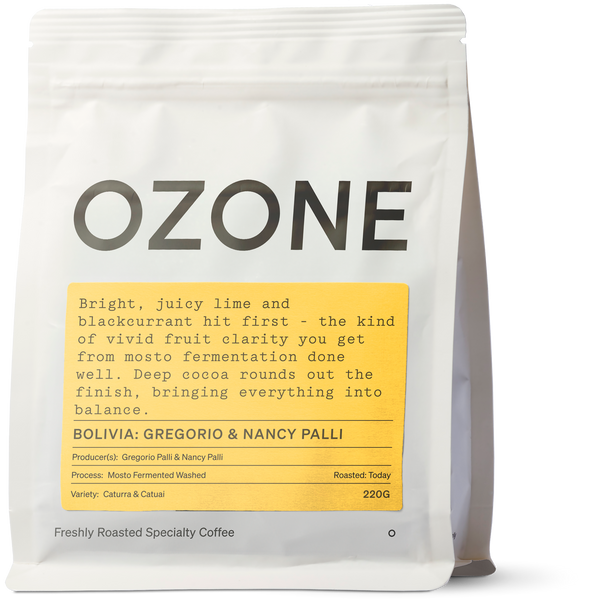
Everything the Rodríguez family does is executed to the highest standard. Their wet mill in Caranavi – Buena Vista – features a state-of-the-art quality control lab and processing facilities guided by onsite oenologist Iván Hugas, who oversees a precisely controlled anaerobic fermentation process using mosto: a calibrated solution of harvested yeasts and bacteria that consistently delivers remarkable quality. A full harvest there generates about 3,000 unique lots of coffee, which are then carefully recombined by their cuppers or marketed separately as microlots. They produce washed, natural, honey, anaerobic natural, and experimental fermentations using coffee fermentation must – all in a remarkably compact production space.
They've also built a wet mill in Samaipata to process coffee from their eastern farms, and La Luna – their state-of-the-art dry mill in La Paz – where every lot is hulled, density-sorted, and hand-sorted under UV and natural light before export. Coffee from Sol de la Mañana producers is processed centrally at the Caranavi mill, with cherry collected daily from farms and delivered in the evenings for careful sorting and processing.
Our Partnership
Our relationship with the Rodríguez family began in 2016 and has grown into a close, collaborative partnership. In 2018, Ozone joined forces with Hasbean, a UK-based specialty coffee company that had already been working with the family for several years. This brought a shared commitment to Bolivian coffee under one roof and deepened our connection to the work being done at Fincas Los Rodríguez.
Pedro, the former banker with an unwavering passion for progress. Daniela, who co-leads Agricafe with her brother Pedro Pablo and champions their story to the world. Pedro Pablo, who studied agronomy and brought those techniques home to Bolivia. Together, they're not just coffee producers – they're pioneers, preserving Bolivia's place in specialty coffee and proving what's possible through innovation, collaboration, and sheer determination.
Their coffees continue to inspire us year after year. And in a country where coffee almost disappeared, that feels like something worth celebrating.