Francisco Mena and Finca Sumava de Lourdes
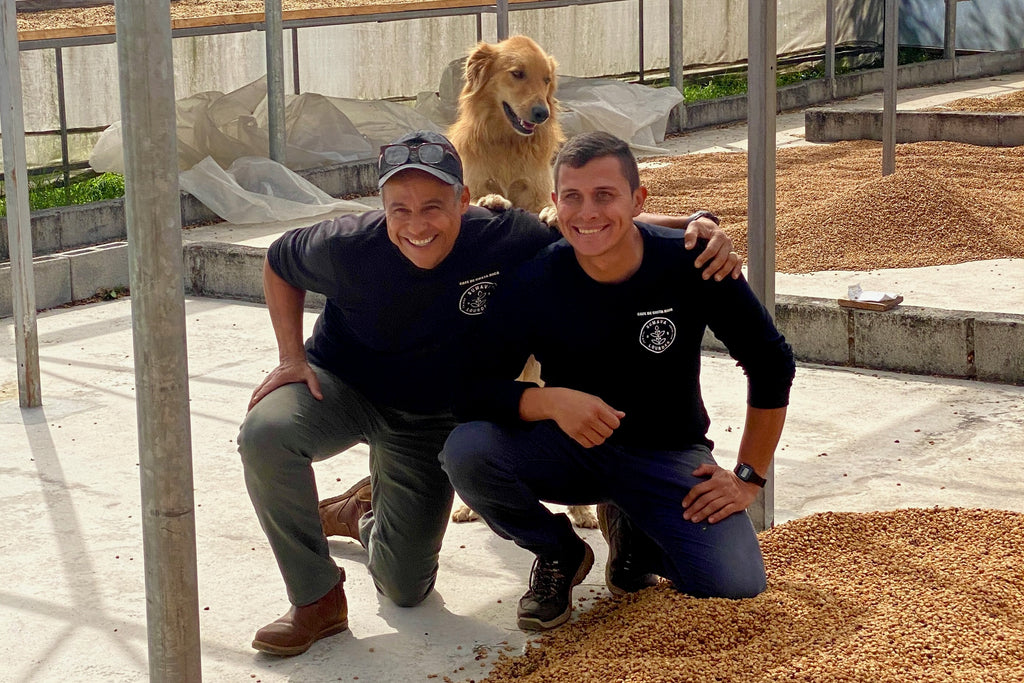
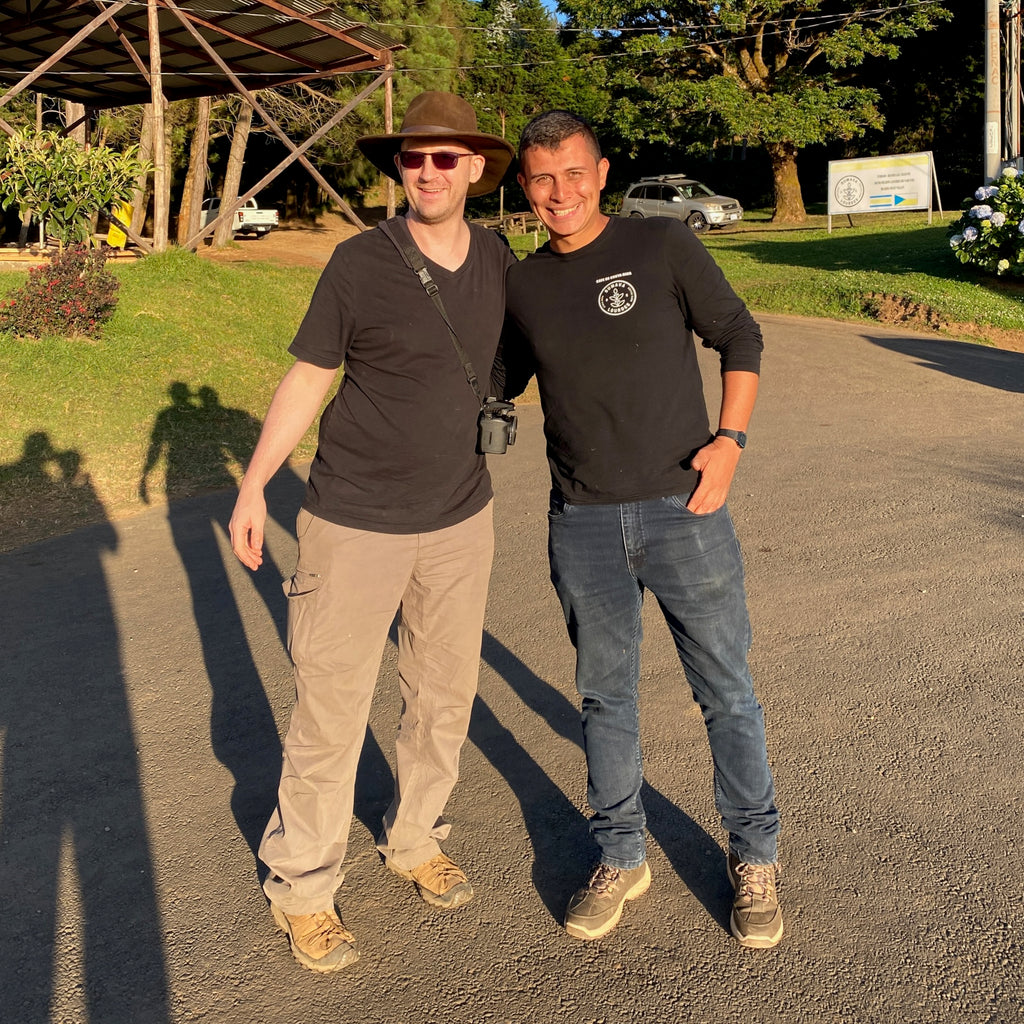
Francisco Mena is one of the most important figures in Costa Rican specialty coffee – and that's not a phrase we use lightly. He didn't just work his way through the industry. He helped reshape it.
From Bike Messenger to Industry Architect
Francisco's coffee story began humbly, zipping through the mountain roads of Costa Rica on a bicycle, collecting green coffee samples from producers. Over the years he worked almost every job in the green coffee supply chain – building a ground-level understanding of how the industry functioned, where it was failing smallholder farmers, and what a better model might look like.
In 2008, he co-founded Exclusive Coffees with Juan Ramón Alvarado, a boutique green coffee exporter that has become one of the most respected operations in the country. Exclusive works directly with over 90 micro-mills, providing milling, quality control, education, and market access – connecting Costa Rican producers with specialty roasters around the world, including us. Without Exclusive, many of the extraordinary coffees coming out of Costa Rica's West Valley simply wouldn't reach the people who'd appreciate them most.
It was also Francisco who coined the term "micro-mill revolution" to describe the transformation happening in Costa Rican coffee – the shift from farmers delivering cherry to large centralised co-op mills (where their coffee was blended, commoditised, and their work rendered anonymous) to farmers processing their own coffee, separating lots by variety, and building direct relationships with international buyers. The phrase stuck, and it's still the term used today to describe one of the most significant shifts in any coffee-producing country in recent decades. Francisco didn't just name it; he drove it.
The Dream of Becoming a Producer: Finca Sumava de Lourdes
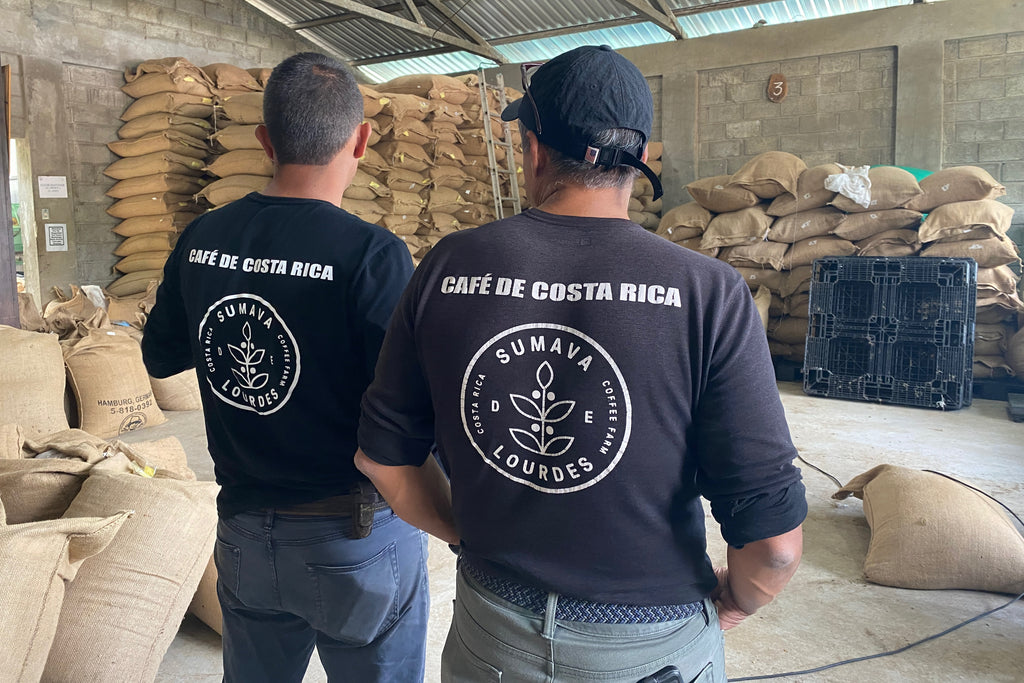
In 2014, Francisco found a former dairy farm in the highlands of Lourdes de Naranjo and saw an opportunity. By 2015 the transformation was underway, and Finca Sumava de Lourdes – his own farm – was taking shape.
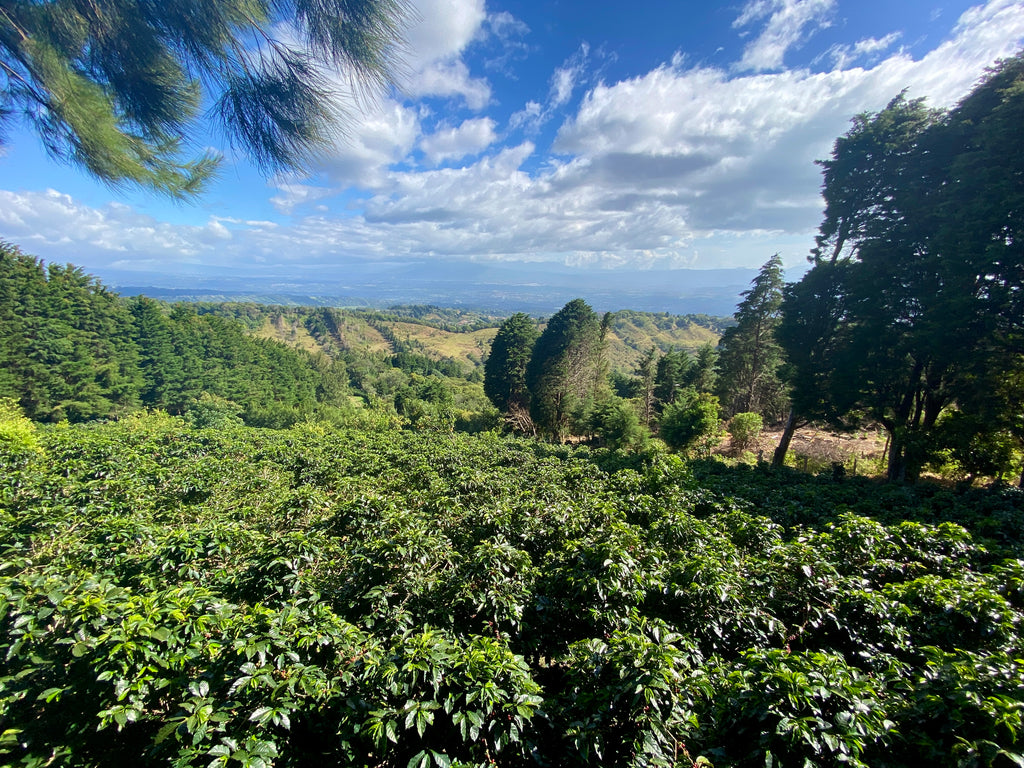
The name is a nod to Šumava National Park in the Czech Republic, a region of dense forests and remarkable natural beauty that Francisco evidently felt some kinship with. The farm sits between 1,670 and 1,790 metres above sea level in Costa Rica's West Valley, on National Tertiary Route 709 – a road that, should you ever drive it, is lined with Cup of Excellence-winning farms. There really is something exceptional about this particular stretch of highland.
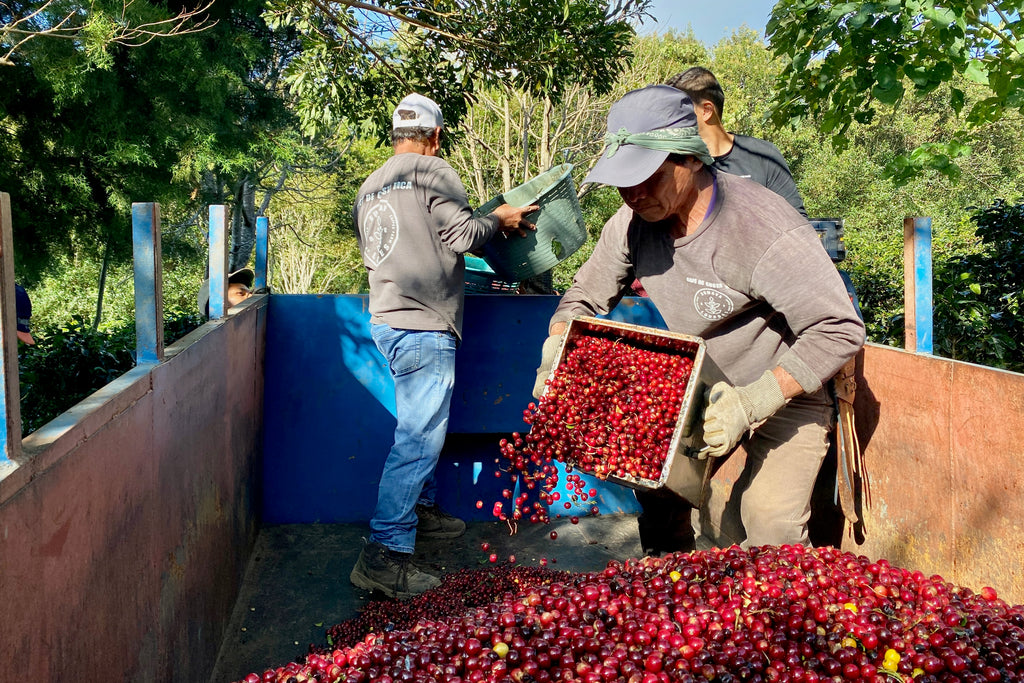
Sumava is actually two farms divided by a road: Finca Monte Llano Bonito (nine plots) and Finca Monte Lourdes (six plots), meticulously organised by variety. It's managed day-to-day by Mario Mena and is a model of ecological practice – eco-pulpers, retention fields for water recycling, organic fertilisation guided by detailed soil analysis. To visit Sumava is to see what a coffee farm looks like when someone applies the same rigour to growing as they do to trading.
Award-Winning from the Start
Just 18 months after taking on the farm, Francisco won the 2016 Costa Rican Cup of Excellence with a Caturra lot processed using an innovative "sweet sugar" fermentation – reintroducing "honey water" into the fermentation process to intensify the coffee's natural sugars. The resulting cup scored 93.41, one of the highest in the competition's history, with judges describing it as complex and floral with notes of molasses and blueberry. Not bad for a new farmer.
A Living Laboratory of Varieties and Processing
Francisco's love of experimentation is written into the farm itself. Sumava grows Villa Sarchí, Pacamara, Mokka, H3, SL28, Geisha, Java, Sidra, and Typica – a range that reflects both his curiosity and his deep familiarity with what different varieties can do at high altitude. The farm's microclimate, shaped by cool winds from both the Pacific and Atlantic, slows cherry maturation and concentrates sugar development in ways that give every lot a particular intensity.
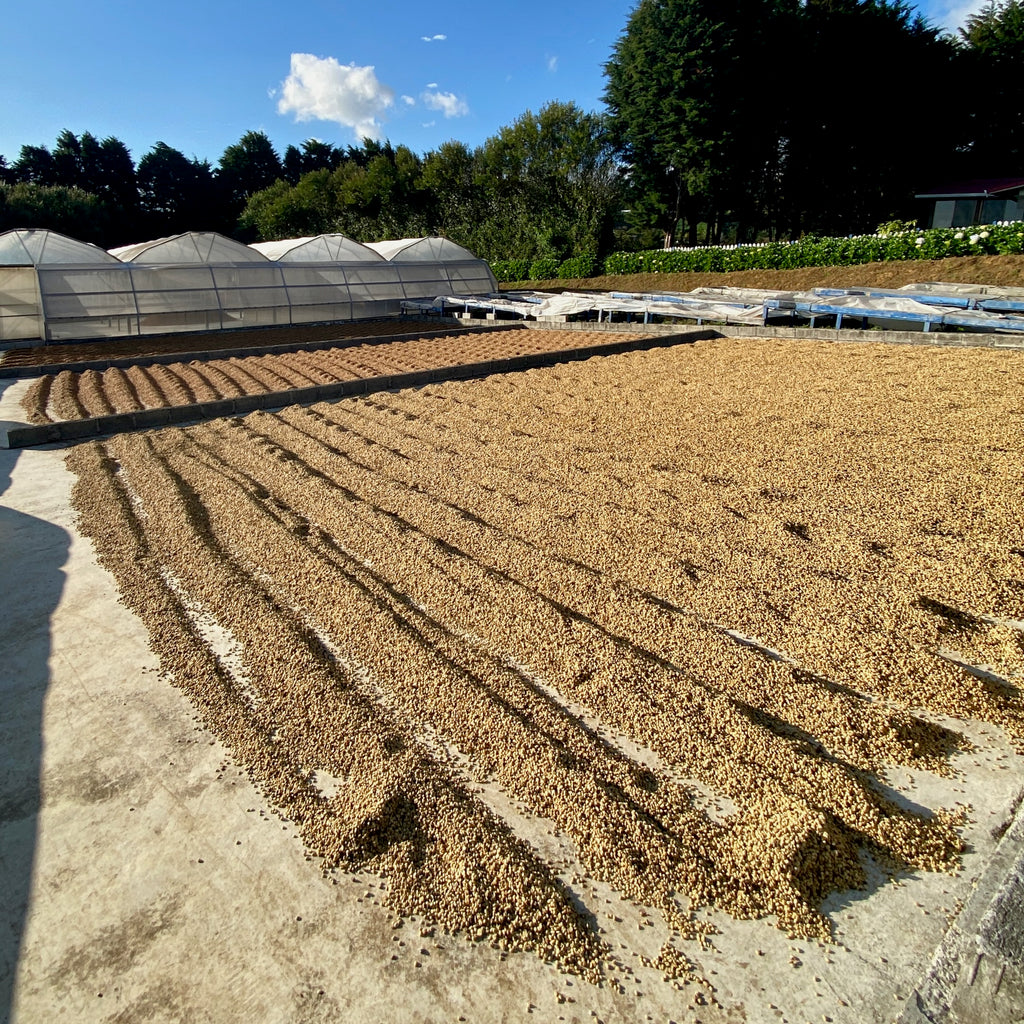
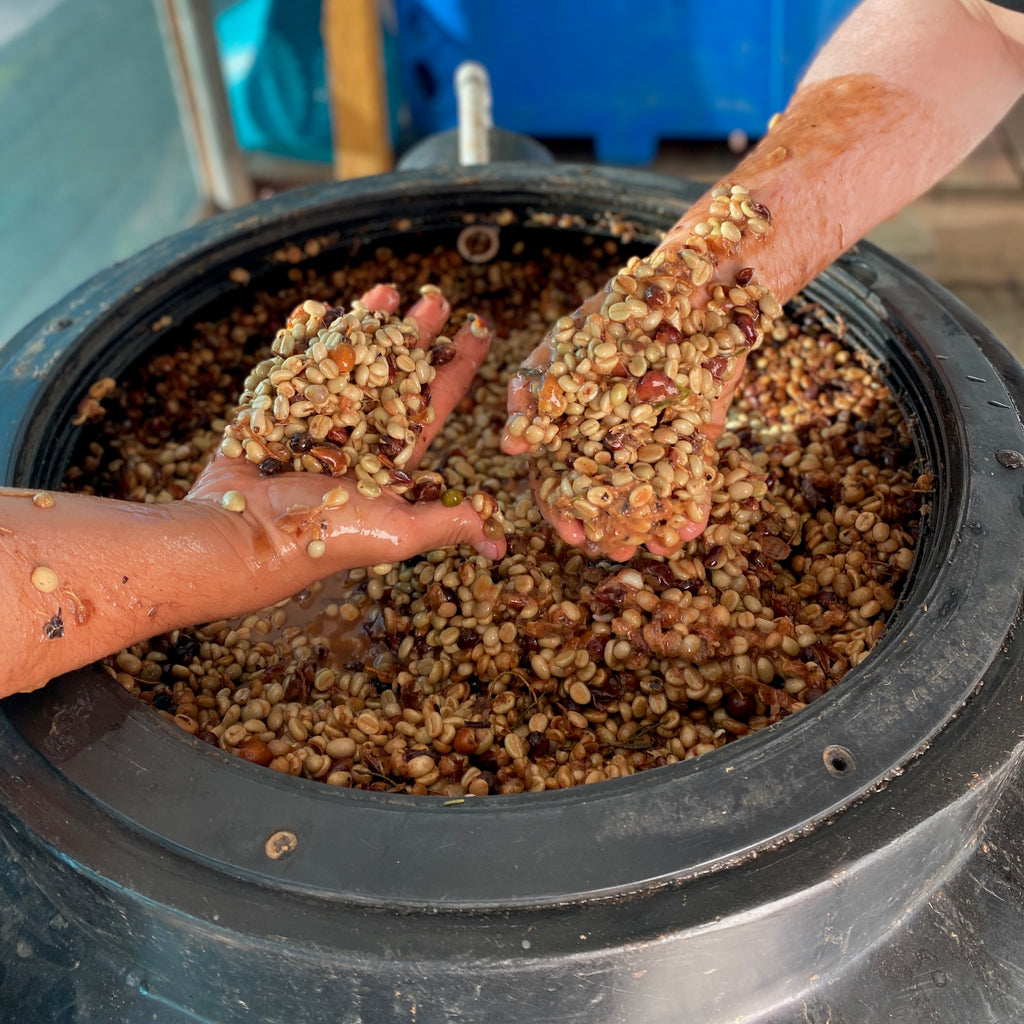
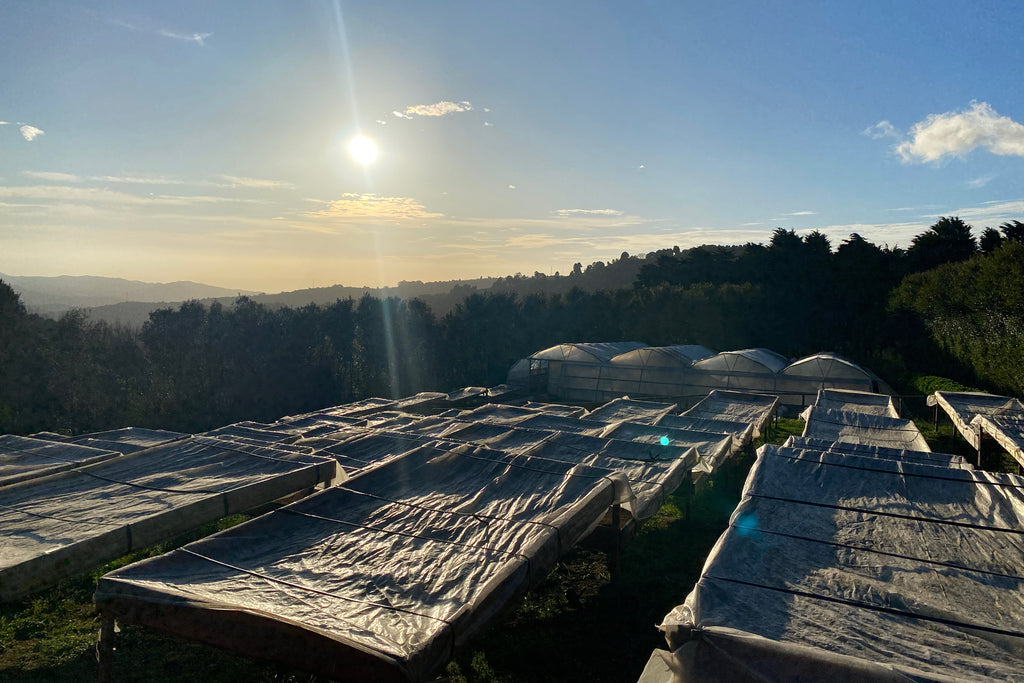
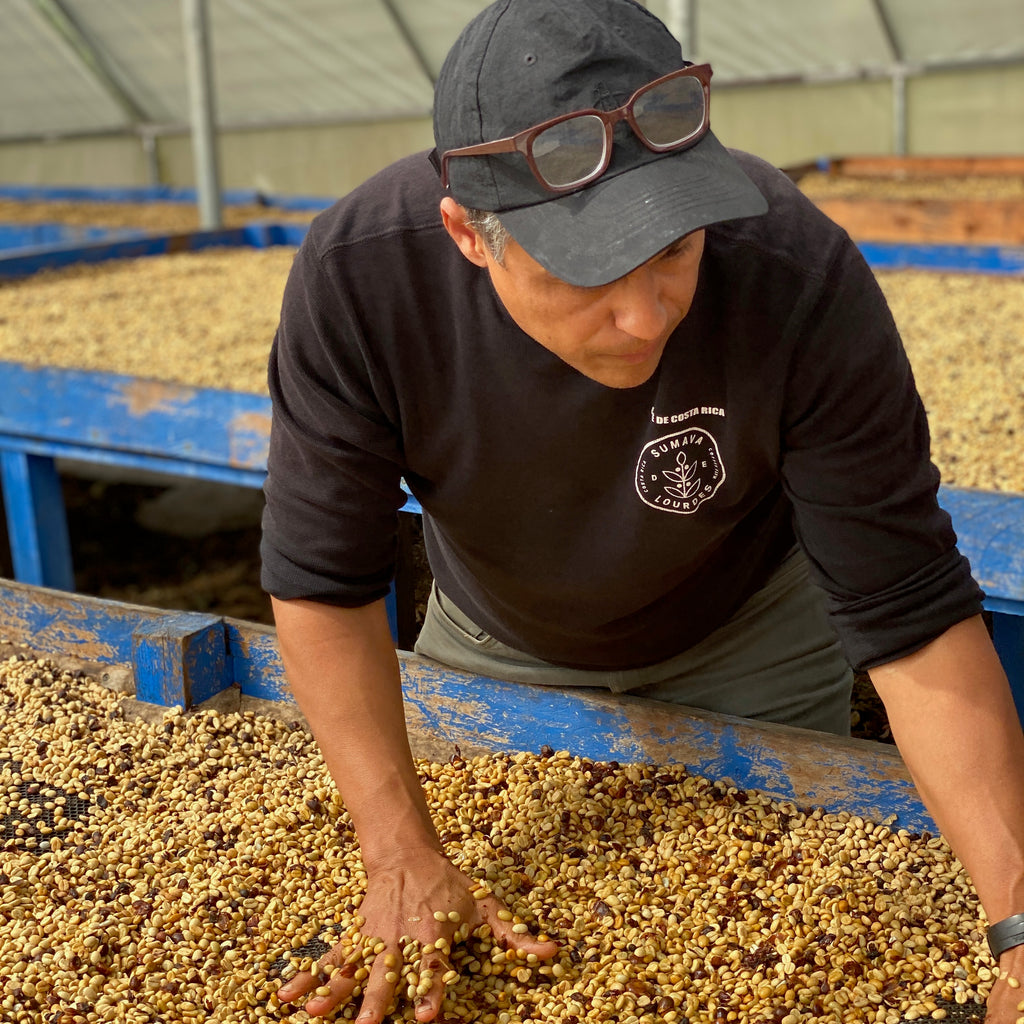
Processing at Sumava specialises in honey and natural methods, with drying on raised beds, patios, and in greenhouses. Beyond that, the farm is a testing ground for aerobic, anaerobic, and lactic fermentations – Francisco continuing to push at the edges of what's possible in the cup, as he has throughout his career.
Community and Education
Sumava also serves as a hub for the wider coffee community. One standout programme is a partnership with Spoon, a Costa Rican coffee company, which brings baristas to the farm multiple times across the production cycle to experience every stage of the coffee journey firsthand. As baristas ourselves, once upon a time, we can only say: we wish that had existed for us.
Producer Overview
- Country: Costa Rica
- Region: West Valley
- Province: Alajuela
- Canton: Naranjo
- District: Lourdes de Naranjo
- Owner: Francisco Mena
- Farm Manager: Mario Mena
- Farms: Finca Monte Llano Bonito (9 plots) and Finca Monte Lourdes (6 plots), together known as Finca Sumava de Lourdes
- Elevation: 1,670–1,790 m.a.s.l.
- Exporter: Exclusive Coffees (co-founded by Francisco Mena)
- Varietals: Villa Sarchí, Pacamara, Mokka, H3, SL28, Geisha, Java, Sidra, Typica
- Processing: Honey, natural, and experimental fermentations including aerobic, anaerobic, lactic, and "sweet sugar"
- Drying: Raised beds, open patios, and greenhouse patios