Why Coffee Prices are Surging in 2025 and How it Affects You
If you’ve noticed a recent increase in coffee prices, you’re not alone. Coffee lovers across the UK are seeing price adjustments, and it’s not just a local phenomenon - it’s a global shift. But why is this happening? Let’s break down the key factors driving these changes.
View our reportUpdate - April 2026
A year on from the original article, here's where things stand. The C Market (the global benchmark for arabica prices) hit an all-time high of 440.85 c/lb in February 2025, and has since eased back to around 290 c/lb. That sounds like relief, and in some ways it is. But it's still well above the long-term average, and the cost base underneath it all has shifted for good.
A few things are pointing in a better direction. Brazil's 2026/27 harvest is forecast to be a record, with some analysts tipping it above 75 million bags, and early signs from Ethiopia and Honduras look promising too. If the weather behaves over the next six months, global supply should start to rebalance.
That said, it's not a clean recovery. Freight costs began climbing again late last year, shipping lanes remain unpredictable, and the broader cost of doing business (energy, packaging, labour, insurance) keeps ticking upward. US tariffs on coffee imports caused serious disruption through much of 2025 before an exemption landed in the autumn, and the knock-on effects are still working their way through the supply chain.
The short version: prices are softening, but slowly, and the volatility isn't going anywhere. We're continuing to buy the way we always have – long relationships, fair prices at origin, and a commitment to the producers we've worked with for years. Thanks, as ever, for sticking with us.
-
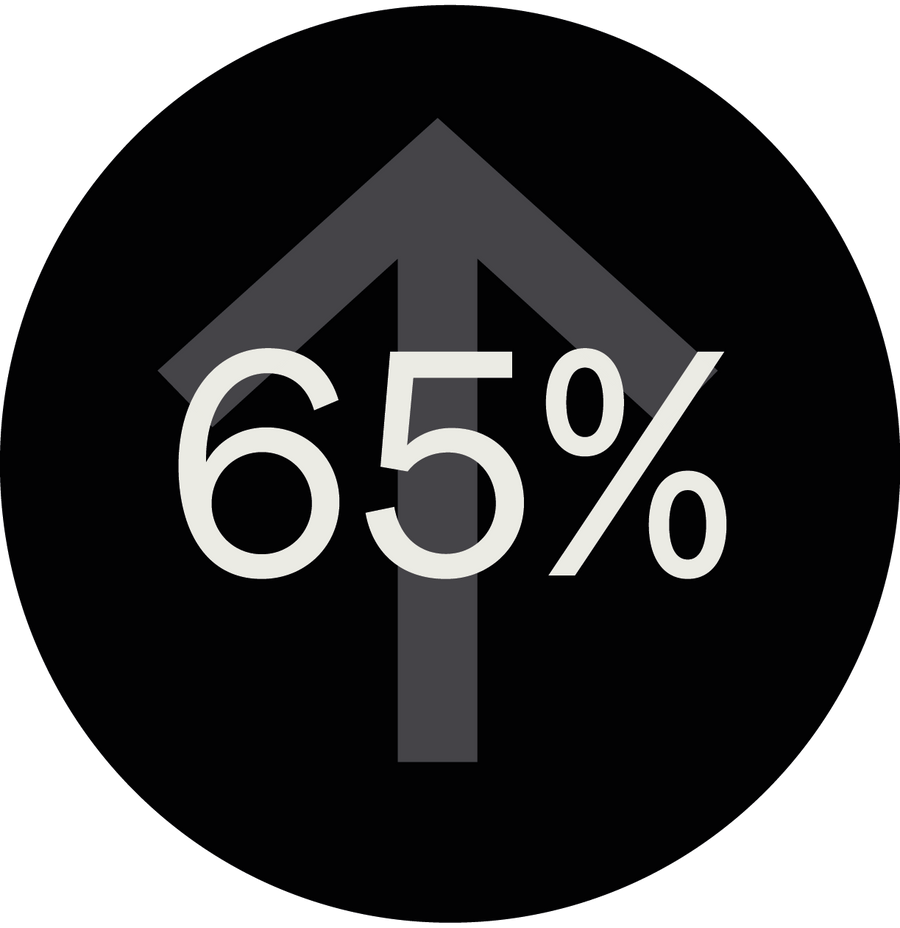
Green coffee prices soaring
Cost of green coffee has surged by 65% since November, driven by unpredictable market forces beyond just poor harvests.
-

FX and strength of the USD
Coffee is traded in USD, and with the changing political landscape in America, currency fluctuations are making it even costlier for businesses.
-

UK Government budget
Increases to NI and minimum wages, Covid rent relief removed, plus ongoing inflationary pressures and rising costs are impacting the bottom line to businesses.
Why our coffee prices have increased
-
Soaring coffee market prices
A. The cost of green coffee has surged by 65% since November, driven by unpredictable market forces beyond just poor harvests. Global politics, economic instability, and logistics disruptions are pushing prices to new highs, making increases unavoidable.
-
Rising production costs & climate impact
A. Coffee-growing regions are experiencing higher production costs, compounded by extreme weather conditions linked to climate change. These factors are making it more expensive for producers to cultivate and supply high-quality coffee.
-
Supply chain disruptions & currency challenges
A. While relationship-based sourcing provides some stability, international shipping disruptions—such as the closure of Red Sea routes—are affecting supply chains. Additionally, coffee is traded in USD, and currency fluctuations are making it even costlier for businesses operating in other currencies.
-
Unavoidable price adjustments for businesses
A. Specialty coffee roasters work on thin margins, and with rising raw material costs, absorbing these increases is not financially sustainable. To maintain quality and long-term supplier relationships, we must adjust prices accordingly.
-
The value of specialty coffee remains strong
A. Unlike large commercial roasters, specialty coffee businesses invest in sustainability, ethical sourcing, and premium quality. While price increases are necessary, they reflect the true value behind every cup, supporting farmers and ensuring continued excellence.
-
Rising Consumer Demand
A. Consumer popularity for specialty coffee is growing, with 1 in 4 consumers around the world having tried it*. This increase in demand is causing the commodity price to rise (*Deloitte Coffee Study 2024)
What This Means for You
While we strive to absorb as many of these costs as possible, maintaining quality and ethical sourcing means some price adjustments are unavoidable. By supporting specialty coffee, you’re not only enjoying a superior product but also contributing to the sustainability of the industry and the livelihoods of those who make it possible.
“We remain committed to maintaining quality and sustaining long-term, equitable relationships with both suppliers and customers,” Glew reassures. “Historically, global coffee demand has continued to grow even when market prices are high, but these unprecedented levels may well change that.”
Thank you for your continued support and appreciation for great coffee. If you have any questions about these changes, feel free to reach out - we’re always happy to chat!