



Costa Rica: ARBAR - El Manantial
Arbar Micromill
-
A zing of lemon and white sugar softens into sweet Cantaloupe melon on the finish. As it cools, there are hints of orange and white grape too, for a sweet, bright and clean cup.
Arbar was the first coffee farm that our Green Buyer Roland ever visited. In many ways it is characteristic of everything we’ve ever tried to do with coffee buying and is at the heart of what we’ve always been about. The lot we have here for you is a Honey processed Villa Sarchi.
A Revolution In Traceability
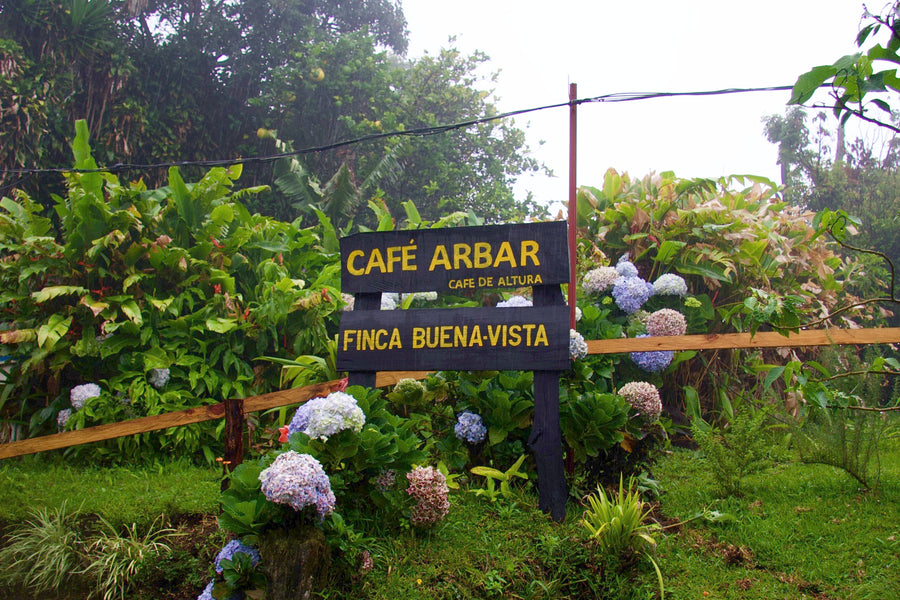
The Arbar mill is located in Costa Rica’s West Valley, near Lourdes de Naranjo, at an elevation of 1,600 metres above sea level. Owned by Carlos and Maria, the name Arbar is a blend of Carlos ARrieta and Maria BARboza. When they first inherited the coffee farm, it wasn’t really making them any money. At that time, almost all Costa Rican coffee was sold to large cooperatives for processing. You could buy regional lots (e.g. Tarrazú) but there was little traceability and not much incentive for individual producers to achieve exceptional results, as their work would be batched together with everyone else’s.
In the 2010s, Costa Rica saw the "micromill revolution", where various producers realised that building their own mills could enable them to process their own coffee and gain recognition for their hard work.
A Lucky Introduction
The road that Arbar is situated along is well known among exporters and buyers as it’s a checklist of Cup of Excellence-winning farms and their award-winning coffees. On that road is Vista Al Valle (owned by Oldemar Arrieta Lobo, Carlos’s cousin), Herbazu (owned by Tonio Barrantes Zuñiga, Carlos’s neighbour), and a bit further down is Sumava (owned by Francisco Mena, farmer, Cup of Excellence winner, and our exporter). All amazing farms that we buy delicious coffee from on repeat.
Carlos and Maria saw the success that other local farms were having from processing their own coffee and thought, "Hey, maybe we should try something." We were lucky enough to find their coffee early and started buying it right away because, as it turns out, their hunch was correct. It’s delicious.
Initially we bought it without really knowing much about where it was coming from. Francisco had introduced us and essentially said, "Hey, do you like this coffee?" We said, "Yes!" He said, "Great, here’s the producers." And that was that. The first year we bought it, it was simply called Carlos Arrieta because they hadn’t yet decided on a name for their mill. The following year it became Arbar.
Pura Vida
Roland first visited Arbar in 2015, the year he participated on the Costa Rica Cup of Excellence jury, and it remains one of the most memorable experiences of his life. On that first trip he didn’t yet speak any Spanish and was accompanied by the lovely Wayner from Exclusive Coffees who, at that point, didn’t speak much English. Carlos and Maria both only speak Spanish, so communication was a challenge.
They bridged that gap almost immediately. Before any introductions, Carlos gave Roland a huge hug and said, "Welcome. You’re one of us, this is your home now." He was shown around the farms, sat at the head of the table for dinner, and learned a few Spanish phrases. The most important, of course, was "Pura Vida!".
Literally translating to "pure life", it’s the ultimate Costa Rican catch-all phrase. How are you? Pura Vida. Had a bad day? Pura Vida. It’s a wonderfully upbeat phrase that can be used for almost anything and perfectly captures the spirit of Costa Rica.
Looking To The Future
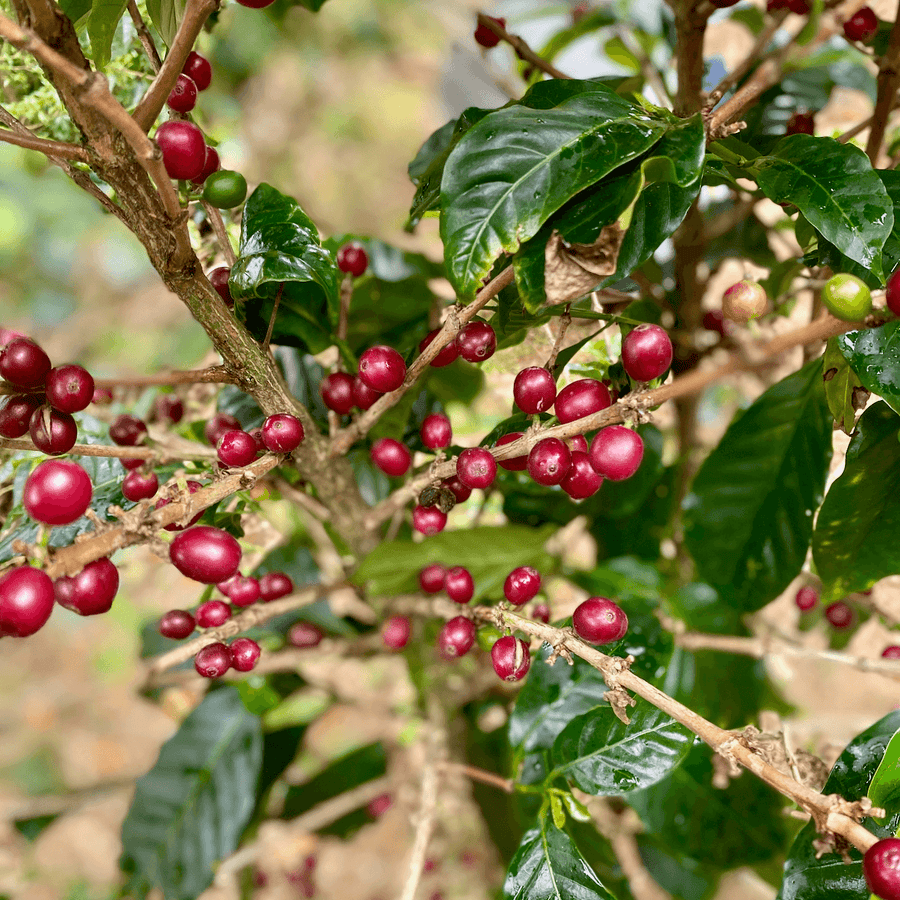
We started buying from Arbar in 2013 and they have produced amazing Costa Rican coffee for us ever since. Each year they have steadily moved forward, never overdoing things or moving too quickly. They started planting new varietals and we’ve now enjoyed Villa Sarchi (as this lot is), Caturra, Catuai, Geisha, and Kenya lots from the farm. They’ve also got small amounts of Ethiopian Landrace coffee and several other experimental plantings.
Starting with their first two farms, Manantial and Oasis, they have since added La Isla, owned by Maria’s niece, and Pedro, a farm they purchased after the previous owner passed away and named in his honour. It’s been wonderful to see that progression.
Roland’s favourite example of the impact of these developments is Esteban, the eldest of the four Arrieta-Barboza children: Yessica, Karen, Esteban, and Jose Ignacio (Nacho). When Roland first met him, he was working in the cattle industry. It’s not unusual to see children move away from coffee farming because there often isn’t enough money in it.
A few years later, Esteban started working at the nearby Sumava mill and excelled. He then moved on to work for an exporter and today works for Exclusive, our exporting partner. He has even purchased some land of his own right next to Oasis. Seeing Esteban choose a future in specialty coffee is a powerful reminder that paying fair prices can create opportunities for the next generation.
Good People Make Good Coffee
When we first started buying Costa Rican coffee from Arbar, we took every bean they produced. Today they are far more efficient and produce a much larger crop, so while we no longer buy all of it, we still purchase a significant proportion.
That reality is incredibly satisfying for us to see, and spending time with the family remains precious and personal. It reminds us how far relationships can progress when producers are paid fairly for their coffee. That’s all we’re doing, paying them what they deserve and showing up year after year. It’s wonderful to see them continue to thrive.
Maria and Carlos have also expanded into tourism, running coffee tours on the farm, and have become largely self-sufficient. They keep goats, chickens, and fish while striving to be as self-reliant as possible.
The family are deeply involved in their local community. On a recent visit, Paul (our Head Roaster in New Zealand) and Roland attended a local rodeo fair, a major event in the rural agricultural community. Sadly, there are no photos of Roland falling off anything.
On that same trip, while sharing coffee outside the house, the local firefighters stopped by to buy coffee from Maria, who roasts her own coffee in a small roastery behind the house. As she roasted, they shared a coffee and a chat before heading back to work.
It was a lovely snapshot of rural life and community spirit. Everyone at Arbar is genuinely woven into the fabric of their community and they remain some of the loveliest people we know. It’s a constant reminder of why maintaining these relationships matters so much.
-
-
Country: Costa Rica
-
Region: Western Valley
-
City: Lourdes de Naranjo
-
Micromill: ARBAR
- Farm: El Manantial
-
Producer: Carlos Arrieta & Family
-
Altitude: 1,600 m.a.s.l.
-
Varietal: Villa Sarchi
- Process: Honey
-
Country: Costa Rica
-
Cupping Notes: Lemon, Melon, White Grape
Cup of Excellence Cupping Scores
-
Clean Cup: 6.5/8
-
Sweetness: 6.5/8
-
Acidity: 6.5/8
-
Mouthfeel: 6/8
-
Flavour: 6.5/8
-
Aftertaste: 6/8
-
Balance: 6.5/8
-
Overall: 6.5/8
-
Correction: +36
- Total: 87/100
If you'd like to find out more about how we score coffees, make sure to read our blog post “What Do Coffee Cupping Scores Actually Mean?” and if you'd like to try cupping yourself, we've got a guide to that too! What is Coffee Cupping.
-
Clean Cup: 6.5/8
-
Medium – Through the gap and don't let this go too far towards second crack. Let the simple sweetness shine.
-
-
Producer Stories
Learn more about coffee sourcingArbar Micromill
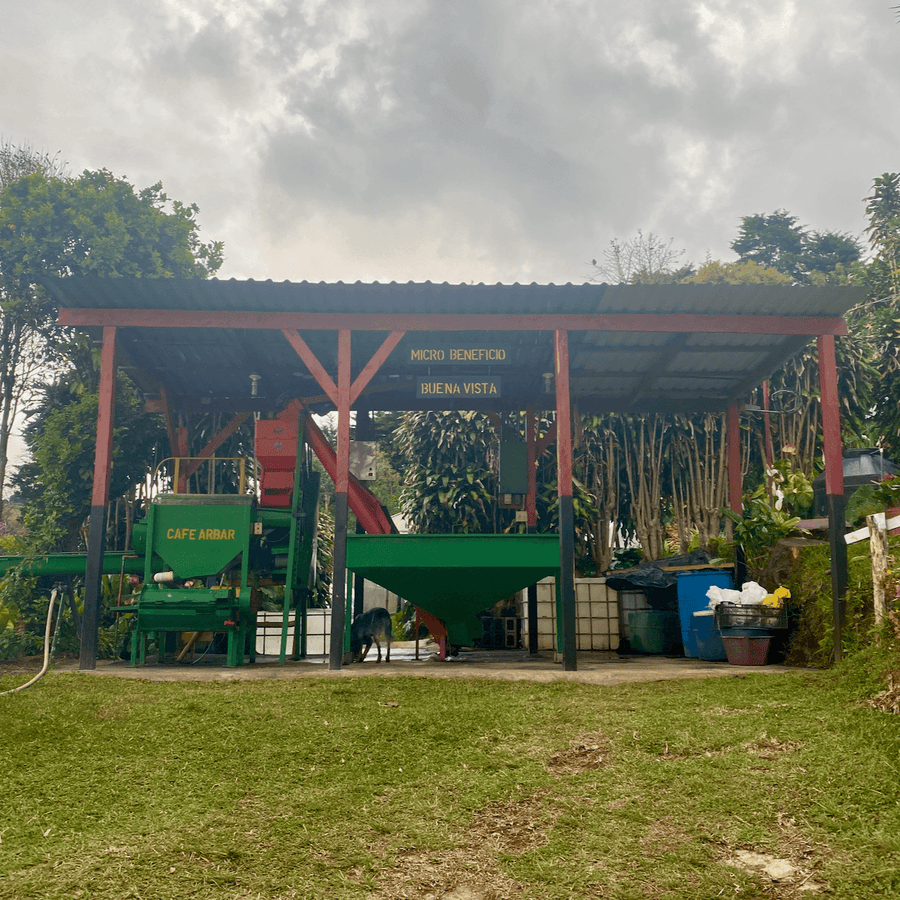
The Arbar micromill is owned by the Arrieta Barboza family. That includes Carlos and Maria, and their children Yessica, Karen, Esteban and Jose Ignacio. Their house is right next to their micromill, which is laid out immaculately.
Read more