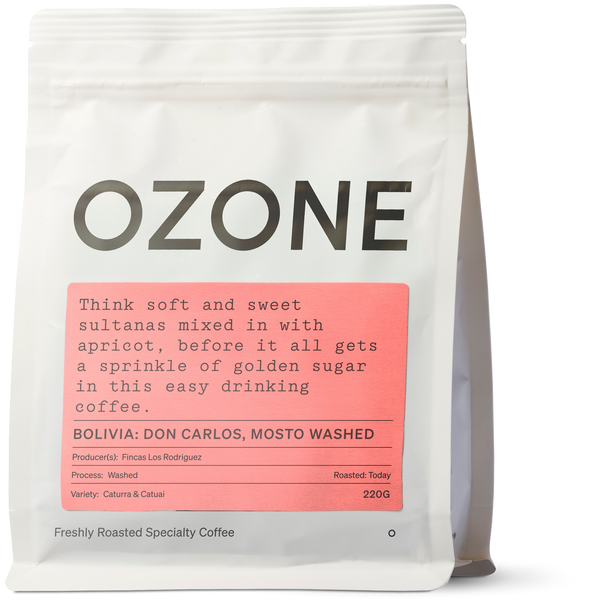
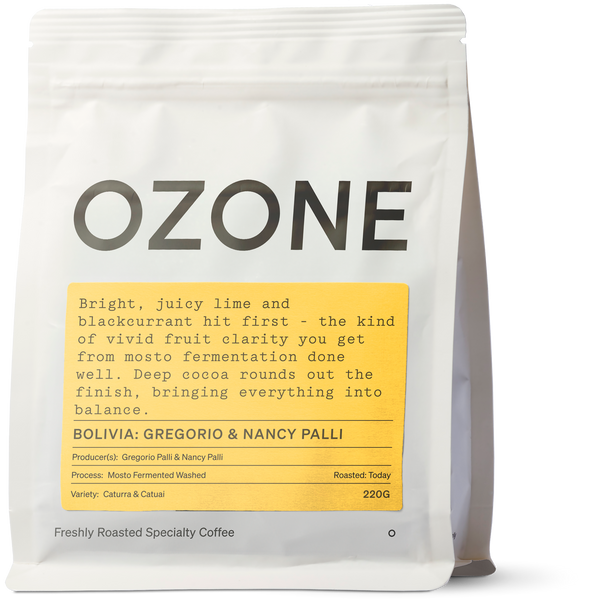
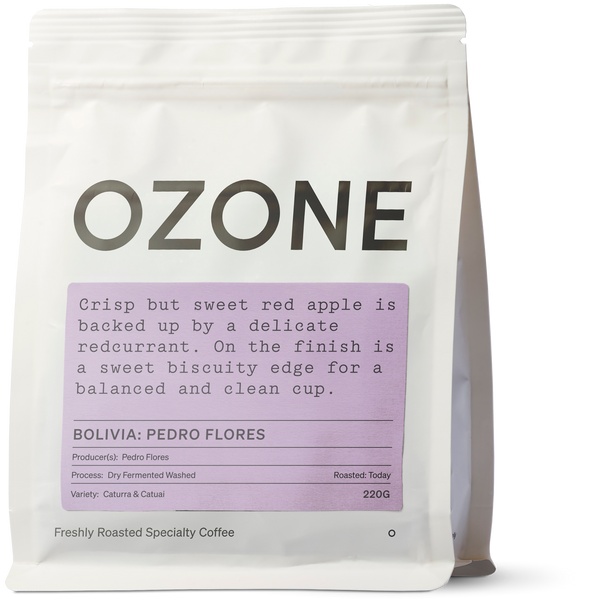
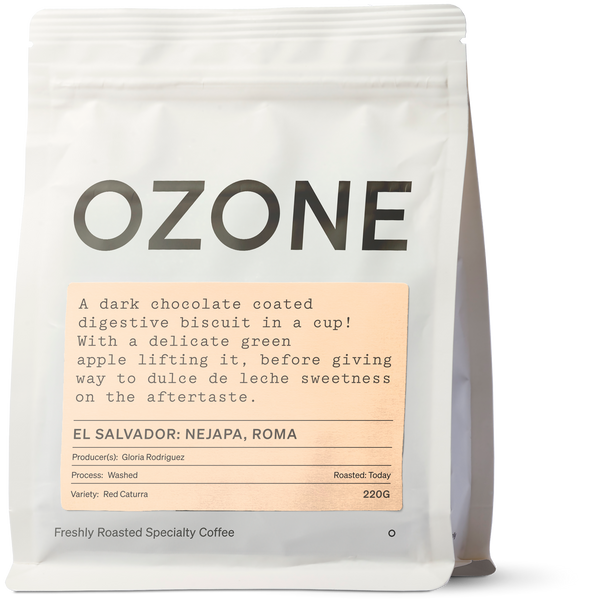
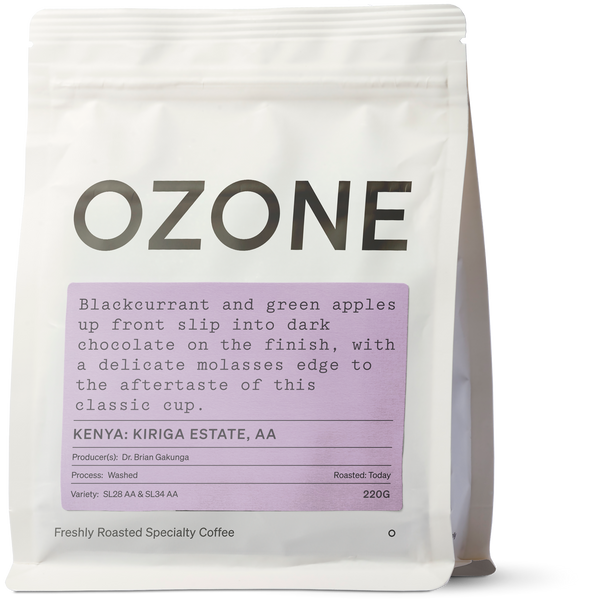
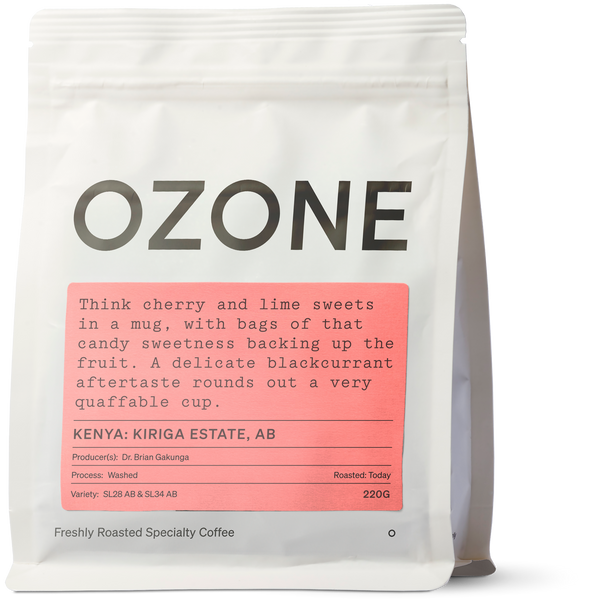
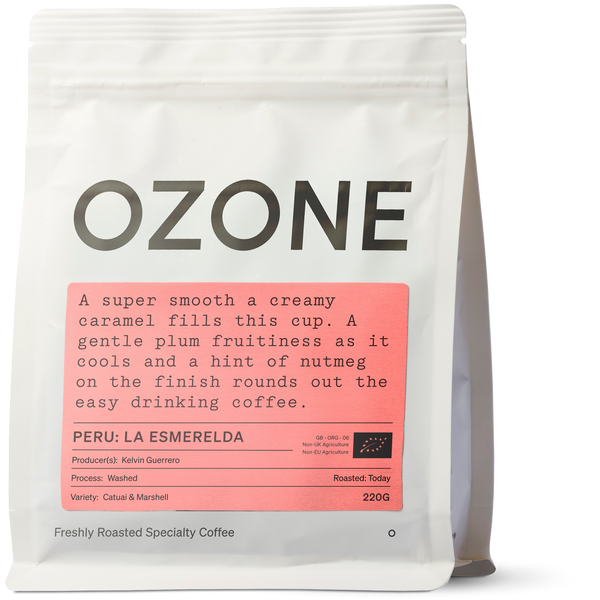
Bright, clean, and pin-sharp on origin character: washed coffees are the ones that let a specific farm in a specific valley actually sound like itself. They're also the most widely used processing method in specialty coffee. If you've ever fallen for a Yirgacheffe that tasted like jasmine and bergamot, or a Kenyan that genuinely tasted of blackcurrant, you've fallen for a washed coffee.

What Is Washed Coffee?
Washed coffee, sometimes called wet-processed coffee, is what you get when the cherry is stripped from the seed before drying. The skin, pulp, and sticky mucilage all come off early, leaving the bean to dry inside its parchment with very little fruit influence. The result is a cup that tastes less of "processing" and more of itself.
Compare that to natural process coffees, which dry inside the whole cherry, and honey processed coffees, which keep some mucilage on for the drying stage. Both add fruit-driven character to the cup. Washed prioritises something different: clarity, precision, and a transparent window into what the variety and terroir actually taste like.
Not sure how processing fits into the bigger picture? Start with our introduction to coffee processing.
The Washed Process, Step by Step
Most washed coffees follow a similar sequence, though the details vary by region and producer. Here's what's actually happening between cherry and parchment.
- Harvesting and sorting: Ripe cherries are handpicked and tipped into water. Underripes, overripes, and damaged cherries float and get skimmed off. This first sort matters more than people realise. Fermentation can amplify quality, but it can't fix bad cherry.
- Depulping: The cherries pass through a depulper that squeezes off the skin and most of the fruit flesh. What comes out the other side is the bean still wrapped in parchment, with a sticky coating of mucilage clinging on for dear life.
- Fermentation: The mucilage-coated beans rest in tanks while microbes (mostly yeasts and lactic acid bacteria) break down the remaining fruit. This takes anywhere from 8 to 72 hours depending on altitude, ambient temperature, and the producer's intentions. Some run it warm and fast, others slow and cool, and a growing number tightly control temperature and pH for predictable results.
- Washing: Once the mucilage has loosened enough to come off cleanly, the beans are rinsed in clean water until what's left is pure parchment.
- Drying: The beans are spread on raised beds, patios, or in mechanical dryers and slowly brought down to around 10 to 12% moisture. Slow, even drying is the goal. Raised beds get the nod most often because the airflow underneath helps avoid hot spots and uneven moisture pockets.

What Fermentation Actually Does
The word "fermentation" can sound a bit alarming if you're picturing a sour, funky cup. In washed processing, it's doing two specific jobs. First, microbes break down the pectin in the mucilage so it slides off the bean during washing. Second, those same microbes produce organic acids, esters, and other compounds that quietly influence the bean's chemistry, and therefore the flavour, before the parchment even hits the drying bed.
This is one area where understanding has shifted in recent years. Fermentation used to be treated as a means to an end. Get the mucilage off, move on. Today, producers think of it as a flavour-building step in its own right. Variables like time, temperature, pH, oxygen levels, and even the addition of specific yeast or bacteria strains are all being dialled in to fine-tune the cup. Done well, fermentation amplifies what's already there. Done poorly, you get the dreaded "ferment" defect: sour, vinegary, off.
The Kenyan Variation: Double Washed
Not all washed coffees are washed the same way. The most distinctive variation comes from Kenya, where producers traditionally use a method known as the double wash, or sometimes the 72-hour process. After the first fermentation and rinse, the beans go back into clean water for a second extended soak (usually 12 to 24 hours) before a final wash and onto the beds.
The thinking is that this second soak strips out any last traces of mucilage, plus any fermentation by-products clinging to the parchment. It's also a sorting opportunity, since defects can be skimmed off at multiple stages. Whether it's the second soak itself or the meticulous attention that surrounds it, the result is a big part of what gives top Kenyan coffees that hallmark brightness, blackcurrant note, and almost wine-like clarity.
Flavour Profile
Washed coffees lean clean, bright, and articulate. With the fruit playing almost no part in drying, the bean's own qualities take centre stage. You can usually expect well-defined acidity, a lighter body than you'd get from a natural or honey processed coffee, and clearer flavour notes that point toward variety and origin rather than processing.
What that looks like in practice depends entirely on where the coffee's from. A washed Ethiopian Yirgacheffe might be jasmine, bergamot, and stone fruit. A washed Kenyan SL28 lands closer to blackcurrant, tomato, and grapefruit. Washed Colombians often sit in chocolate and red apple territory, while a washed Central American (think Costa Rica or Guatemala) frequently leads with milk chocolate, citrus, and brown sugar. The common thread isn't a specific flavour, it's the clarity with which those flavours come through.
This is also why washed coffees dominate competition cuppings and why specialty roasters lean on them so heavily. When you want to understand what a particular variety, farm, or microclimate actually tastes like, washed is the most honest answer.
Brew Recommendations
Washed coffees thrive in filter brewing, where clarity and acidity have room to breathe. A V60 or pour-over is hard to beat for showing off the floral and citrus end of the spectrum. A Chemex pulls oils through its thicker paper filter for an even crisper, more delicate cup. And the AeroPress remains the most forgiving option, happy with light or medium roasts and unbothered by small variations in technique.
Washed coffees also work beautifully as espresso, particularly as lighter roasted single-origin shots where the acidity becomes a feature rather than something to apologise for.

Environmental Considerations
Traditional washed processing has a thirsty reputation, and not without reason. Older methods could use upwards of 15 to 20 litres of water per kilo of cherry, which becomes a real problem in regions where water is already scarce. The wastewater is the other half of the issue. Rich in organic matter, it can acidify rivers and damage local ecosystems if discharged untreated.
The good news is that this is one area where the industry has genuinely moved. Modern ecological wet mills, like Colombia's Becolsub system and the Penagos Ecoline range, pulp cherries with little or no water and mechanically demucilage the beans rather than relying on long fermentation tanks. Some of these systems get water usage down to around 0.2 litres per kilo of cherry, a roughly 99% reduction on the old method. They also dramatically cut the volume of polluted wastewater. Many of the producers we work with are using these or similar systems, and they're increasingly the standard at well-run washing stations.
Worth noting though: cutting fermentation out entirely can also cut some of the flavour development that comes with it. Plenty of producers strike a balance, using eco-pulpers for the heavy lifting and keeping a shorter, more controlled fermentation for the flavour benefits.

Modern Twists: Washed Isn't Always "Classic"
The line between washed and "experimental" processing has blurred over the last decade. Some producers now run washed coffees through anaerobic fermentation (sealed tanks, no oxygen) before washing, which can add subtle red fruit and tropical notes while still finishing clean. Others inoculate the fermentation with specific yeast strains for more consistent, controllable results. A coffee labelled "washed" today might be a textbook 24-hour open-tank ferment, or it might be a 72-hour anaerobic lactic ferment that finishes with the same wash. Reading the label (or the roaster's notes) is genuinely worth your time.
Why It Matters
For roasters and drinkers alike, washed coffee is the most transparent expression of what a bean actually is. It rewards producers who invest in quality at every stage, from picking only the ripest cherries to managing drying time on the beds. If you want to understand the difference between Bourbon and Caturra, between 1,500m and 2,000m, between one valley and the next, a washed coffee is where to start.
Browse our current range of washed process coffees, or explore the full Coffee Processing Explained series.